Large breed
Samoyed Puppies
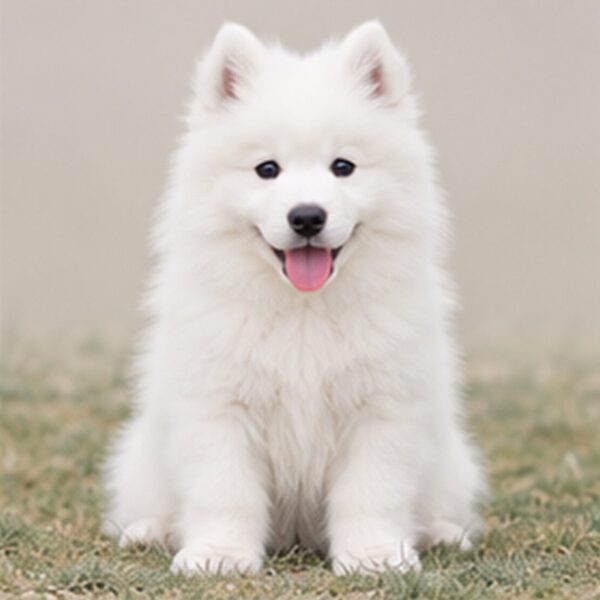
The white lively Samoyed breed besides being known for the role it played in herding amongst the Siberians, is a good domestic animal. Their thick white coat makes them attractive at first sight while their sociable nature keeps them around longer. Discover more about our Samoyed puppies for sale below!
We do not have Samoyed puppies on the floor today. Tell us what you are looking for and we will let you know the moment one arrives, or help you find a breed that suits your home just as well.
- Adult weight 35–65 lbs
- Height 19–24 in
- Lifespan 12–14 years
- Exercise 60 min a day
About the Samoyed
The Samoyed, known for its beautiful, fluffy white coat and friendly demeanor, is a breed that has captivated dog lovers for generations. Originally bred by the Samoyede people in Siberia to herd reindeer and pull sleds, these large dogs have a strong work ethic and a playful spirit. Their affectionate nature makes them excellent companions for families, as they thrive on human interaction and are especially good with young kids. While they can get along well with other dogs, they may show a bit of a stubborn streak when it comes to living with cats, so introductions should be handled with care.
Read more about the Samoyed Show less
As a breed with moderate energy levels, the Samoyed enjoys regular exercise to stay happy and healthy. Daily walks, playtime in the yard, or a good romp at the dog park will keep them content and well-stimulated. They do have a tendency to bark, making them good watchdogs, but this can also mean some extra attention is needed during their training sessions. Being intelligent and eager to please, they respond well to positive reinforcement, which makes training both a rewarding and enjoyable experience for both you and your pup.
Grooming a Samoyed is a commitment, as they shed quite a bit and require weekly brushing to keep their luxurious coat healthy and free of mats. Their thick fur tends to shed the most in spring and fall, so preparing for those seasonal transitions is important. Despite the grooming needs, the joy of being greeted by a Samoyed’s happy, smiling face each day is well worth the effort. If you’re looking for a loving, loyal companion to join your family, consider a Samoyed from Petland Topeka, Kansas; you won’t regret the endless affection and playful spirit they bring to your home.
Samoyed breed profile
Every score below is set by our team for this breed. Higher is simply more of that trait, not better or worse.
Temperament
-
Affection Devoted
-
Playfulness Always game
-
With strangers Friendly
-
Territorial Relaxed
-
Prey drive Low
Family & other pets
-
Young children Good
-
Older children Excellent
-
Other dogs Sociable
-
Cats Needs care
Energy & exercise
-
Energy High
-
Mental stimulation High
Training
-
Trainability Quick to learn
-
Intelligence Very bright
-
Stubbornness Biddable
Care & upkeep
-
Shedding Heavy
-
Drooling Minimal
-
Barking Vocal
Home life
-
Apartment living Prefers a house
-
Time alone Short periods
-
Cold weather Thrives in it
-
Warm weather Needs shade
A good match for
-
First-time owners Good first dog
-
Senior owners Good
-
Running partner Good
-
Hiking Excellent
-
Therapy work Good
-
Guarding Low
Living with a Samoyed
History
The Samoyeds are a spitz-type dog known to have originated from Siberia. The Nenets—a group of people in the Northern Samoyeds from which the Samoyed breed gets its name—trained the dogs to be used in hunting and herding of reindeer. They are a breed from the lineage of the Nenet laikas which had a wider variety of coat colors.
By the 20th Century, they were on their way to the Antarctic, pulling sleds as they went. A group of them went on expeditions with Fridtjof Nansen and Ernest Shackleton (on different expeditions) and only the strongest of the group survived.
A number of standards have been published for the Samoyed breed but the first was released in 1909 after the breed had made its way to England.
Temperament
Samoyeds are as playful as they look. They are smart, obedient and their curious nature could lead them into mischievous deeds but other than that, they are friendly pets. This does not take away the need for training and supervision as they can be a handful when left alone.
When a Samoyed comes across a stranger, it may bark to let the owner know that someone new is around the block but their playful nature usually gets in the way and it quickly welcomes the person by wagging its tail. They enjoy the company of people, animals and anything that can be “herded” because of the nomadic traits they possess.
Environment
Although Samoyeds do not pose a lot of problems, they should not be kept in confined areas. They love to play and run around and as such, require adequate space to carry out their daily activities. A well-fenced yard devoid of harmful elements would make a good home for Samoyeds. This space should be close enough to the residence to aid supervision and if allowed to wander into the home, the dog should be monitored to prevent it from turning appliances into toys.
Exercise
Being lovers of fun, the Samoyed breed requires a reasonable level of exercise on a daily or weekly basis. In addition to this, the Samoyeds are prone to becoming overweight since they eat a lot and regular exercises would help keep them in check.
Being good herders, they love to pull things around including the one holding the leash so it is important to train the dog to listen to simple commands which would be useful in times when they cannot get a grip of themselves.
Grooming
As a result of the highly-dense coat they possess, the Samoyeds require a high level of maintenance. Besides the expected period when they blow their coat, strands of fur get detached regularly as they run around.
Also, their sleek white coat may get stained in the process and as such, would require regular baths. All of these factors make the dog time and energy demanding which every prospective owner should gear up for.
They rate low when it comes to drooling but this is almost unavoidable when they wag their tails to welcome you home. As mentioned earlier, they have large appetites but this can be regulated with consistent training.
Our Samoyed puppies for sale come from either licensed commercial breeders or hobby breeders with no more than 5 breeding mothers. Licensed commercial breeders account for less than 20% of all breeders in the country.
The unregulated breeders who are selling outside of the regulations and without a license are what we consider to be “Puppy Mills.” We are committed to offering Samoyed puppies who will grow up to become important members of your family. We only purchase puppies from the very best sources, and we stand behind every puppy we sell.
Caring for a Samoyed
- Grooming
- Weekly brushing
- Grooming cost
- Average
- Monthly food
- Average
- Outdoor space
- A yard is recommended
- Allergy friendly
- Not considered hypoallergenic
Frequently Asked Questions
Do Samoyed make good family dogs?
Yes, they do. Their friendly and sociable nature makes them suitable to be bred at home.
Can Samoyeds survive in hot climates?
Yes. The thick coat they possess shields their bodies from extreme cold or heat.
Are all Samoyeds white?
Yes. All Samoyed breeds have a white coat. It is one of their qualities.
Are Samoyeds expensive?
The cost of any puppy varies. Contact us today to learn more about the availability and cost of this puppy.
Are Samoyed hypoallergenic?
Yes, they are.
Can you shave Samoyed fur?
As you already know, their coat acts as a shield against harsh weather conditions so shaving it off would be a bad idea.
Can Samoyeds swim?
Samoyeds can rescue themselves from drowning if they happen to be in such a situation but getting in the water is not something they would readily do.
Do Samoyed chase cats?
Samoyeds chase cats for fun but to prevent the fun from going wild, it is important to train them and keep an eye on them while they run around.