Large breed
Rottweiler Puppies
The Rottweiler is one of the strongest dog breeds and was amongst the first set of police and military dogs. Their protective nature, intelligence, and strength make them one of the most sought-after guard dogs in the world. Discover more about our Rottweiler puppies for sale below!
We do not have Rottweiler puppies on the floor today. Tell us what you are looking for and we will let you know the moment one arrives, or help you find a breed that suits your home just as well.
- Adult weight 80–135 lbs
- Height 22–27 in
- Lifespan 8–10 years
- Exercise 60 min a day
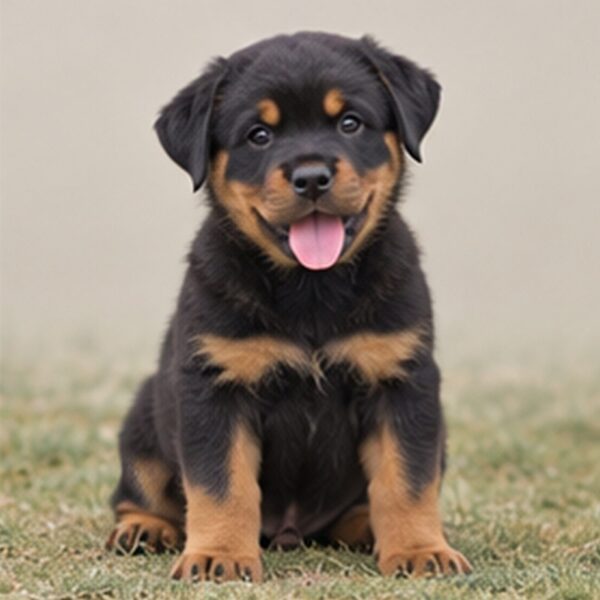
About the Rottweiler
The Rottweiler is a large and confident breed with a rich history that dates back to ancient Roman times. Originally bred to drive cattle and pull carts, they have evolved into loyal family companions and dependable guardians. With their strong build and striking appearance, Rottweilers convey a sense of power, yet they are also known for their gentle and affectionate nature, making them excellent family pets, especially for those with young kids.
Read more about the Rottweiler Show less
These dogs are not just brawn; they possess an impressive intelligence and eagerness to learn, ranking high in trainability. Rottweilers thrive on structure and response well to positive reinforcement techniques. Their playful temperament and loyalty create strong bonds with family members, making them a great fit for active households. Although they may be wary of strangers, their protective instincts ensure a watchful eye over loved ones.
While Rottweilers generally enjoy moderate energy levels and exercise, they do require regular activity to keep them physically and mentally stimulated. Daily walks and playtime are essential for maintaining their health and happiness. Grooming is a manageable aspect of owning a Rottweiler, as they benefit from weekly brushings to keep shedding under control, although they do tend to shed moderately.
As a breed, Rottweilers exhibit a balanced single-mindedness. Their barking tendency is moderate, and while they are generally good with other dogs, they may need some socialization and training to be comfortable around cats. If you’re ready to welcome a devoted companion into your home, consider a Rottweiler, especially if you’re in the Petland Topeka, Kansas area looking for a perfect match in temperament and loyalty.
Rottweiler breed profile
Every score below is set by our team for this breed. Higher is simply more of that trait, not better or worse.
Temperament
-
Affection Very affectionate
-
Playfulness Playful
-
With strangers Cautious
-
Territorial Territorial
-
Prey drive High
Family & other pets
-
Young children Good
-
Older children Good
-
Other dogs Usually fine
-
Cats Needs care
Energy & exercise
-
Energy High
-
Mental stimulation High
Training
-
Trainability Quick to learn
-
Intelligence Very bright
-
Stubbornness Stubborn
Care & upkeep
-
Shedding Heavy
-
Drooling A drooler
-
Barking Moderate
Home life
-
Apartment living Prefers a house
-
Time alone Short periods
-
Cold weather Comfortable
-
Warm weather Average
A good match for
-
First-time owners Some experience helps
-
Senior owners Suitable
-
Running partner Good
-
Hiking Good
-
Therapy work Good
-
Guarding Strong guardian
Living with a Rottweiler
History
The Rottweiler is a descendant from the mastiff-type dog called Molossus. Centuries ago, the Romans took them along to Germany, using them to drive cattle. As they matched on, the Molossus came across other dogs with which they mated and reproduced.
During this period, the Rottweiler was used majorly for driving cattle. The Romans also kept their purses around their Rottweiler’s neck to keep their money safe. When rail transport was used to replace cattle drives, the Rottweiler’s popular dropped drastically. A Rottweiler exhibition in 1882 changed the situation for the dog breed. Since then the Rottweiler became famous Police and military dogs.
Temperament
The Rottweiler is a confident, bold and sometimes calm breed of dog. It cannot be intimidated either by other dogs or humans. It doesn’t make friends easily but is very loyal when it does. The Rottweiler is not a jumpy, lively dog. Most times it keeps to itself and observes.
Its first instinct is to protect and they can be aggressive whenever they perceive a threat. Rottweilers can easily adapt to a new environment and they are very intelligent. They can be very stubborn hence require firm discipline. They are strong-willed dogs, so training them will require consistency and patience.
Environment
A Rottweiler can either be kept in a home or out in the backyard. If you choose to keep them indoors, it is important that they are taken outdoors frequently to run around. And if you choose to keep them outdoors, it is important that you bring them in frequently and spend time with them.
If a Rottweiler is left alone without any activity too often, they will become detached from their owner, aggressive and destructive. A Rottweiler is not a very social dog. They prefer to stay indoors. If you choose to keep your Rottweiler outside, a fence is necessary as they can attack strangers or other animals.
Exercise
Rottweilers are big dogs that require exercises daily. An hour of exercise each day will be sufficient to keep them healthy and fit. A ten to twenty-minute walk each day is advisable. They also enjoy playing fetch or jumping. Rottweilers can jump very high.
You can take them on hikes or runs. Mental stimulation is also necessary for Rottweilers. They are very intelligent dogs and they thrive on brain work. They enjoy praise and will learn if they will receive some appreciation afterwards.
Grooming
Rottweilers have short hair and this makes them easy to groom. Brush your dog’s hair with a firm brush weekly to get rid of dead hair. They shed twice annually so during that period, daily brushing is advisable. Bathe your Rottweilers when necessary. Their teeth should be brushed at least twice a week to prevent them from dental diseases. It is important to start grooming your Rottweiler as a puppy to avoid resistance as they grow older.
Our Rottweiler puppies for sale come from either licensed commercial breeders or hobby breeders with no more than 5 breeding mothers. Licensed commercial breeders account for less than 20% of all breeders in the country.
The unregulated breeders who are selling outside of the regulations and without a license are what we consider to be “Puppy Mills.” We are committed to offering Rottweiler puppies who will grow up to become important members of your family. We only purchase puppies from the very best sources, and we stand behind every puppy we sell.
Caring for a Rottweiler
- Grooming
- Weekly brushing
- Grooming cost
- Low
- Monthly food
- Average
- Outdoor space
- A yard is recommended
- Allergy friendly
- Not considered hypoallergenic
Rottweiler Video
Frequently Asked Questions
Are Rottweiler easy to train?
Rottweilers are independent-minded dogs and might be a bit difficult to train. Training requires consistency and firmness but once they are trained, they are very obedient.
Are Rottweiler good with children?
Rottweilers like children, especially children they were raised with. It’s important though to keep an eye on big Rottweilers around young kids.
What is the average lifespan of a Rottweiler?
The average lifespan of a Rottweiler is 8 to 10 years.
Do Rottweiler have common health problems?
Dogs of this breed have a tendency to suffer from Hip Dysplasia, Elbow Dysplasia Aortic Stenosis, Osteosarcoma, and Allergies.
What is the average size of a Rottweiler?
The average male Rottweiler is about 61 to 69cm tall and weighs 50 to 60 kg. The average female is about 56 to 63 cm tall and weighs 35 to 48 kg.
Are Rottweiler aggressive?
They can be aggressive to strangers and other dogs.
Can you teach Rottweiler to swim?
Yes, Rottweilers can be taught to swim. They have very short coats which don’t become heavy when submerged in water. Most Rottweilers love swimming, especially on a hot day.
How should you feed Rottweilers?
An average-sized Rottweiler should be fed 3 cups of quality dog food in the morning and another 3 cups in the night. Ensure you don’t leave too much food out for your dog to prevent obesity.