Medium breed
Norwegian Elkhound Puppies
The official dog of Norway, the Norwegian Elkhound is a dog that possesses all the qualities people want in a dog. The elkhound got its name from its ability to effectively track and hunt elks. Elkhounds serve not just as hunters, but also as defenders, comforters, and guardians. These impressive qualities earned them the title of the national dog. Discover more about our Norwegian Elkhound puppies for sale below!
We do not have Norwegian Elkhound puppies on the floor today. Tell us what you are looking for and we will let you know the moment one arrives, or help you find a breed that suits your home just as well.
- Adult weight 48–55 lbs
- Height 19–21 in
- Lifespan 12–15 years
- Exercise 60 min a day
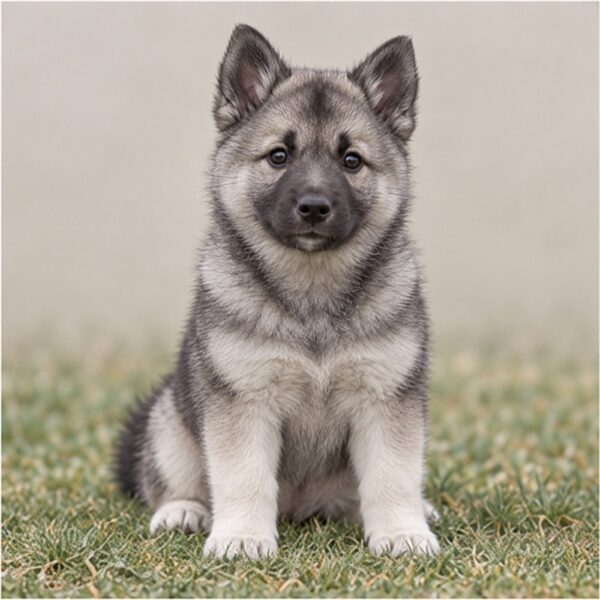
About the Norwegian Elkhound
The Norwegian Elkhound is a charming and resilient breed with roots tracing back over a thousand years to Norway, where they were originally used for hunting large game like elk. Known for their sturdy build and distinctive double coat, these medium-sized pups bring a spirited yet warm personality into your home. Their affectionate nature and strong bond with families make them an excellent fit for households with children, as they tend to be playful and patient playmates. They also get along well with other dogs, though they may be less enthusiastic around cats.
Read more about the Norwegian Elkhound Show less
With a moderate energy level, Norwegian Elkhounds enjoy daily exercise, whether it be a long walk or an invigorating romp in the yard. While they can adapt to apartment living, they thrive in homes where they have ample space to roam and explore. Regular weekly grooming will keep their beautiful coat in check, though they do shed quite a bit. Those looking to add a Norwegian Elkhound to their family should be prepared for a bit of barking, as they are known to be vocal, alerting their owners to anything that seems out of the ordinary.
Intelligence and trainability are strong suits of the Norwegian Elkhound, as they respond well to positive reinforcement methods. However, their independent streak means it is essential to start training early and be consistent for the best results. They’re not just pets; they become devoted family members who enjoy joining in on all of life’s adventures. So if you’re searching for a loyal companion with a heart full of love, consider welcoming a Norwegian Elkhound into your home, especially if you’re in the Petland Topeka, Kansas area.
Norwegian Elkhound breed profile
Every score below is set by our team for this breed. Higher is simply more of that trait, not better or worse.
Temperament
-
Affection Very affectionate
-
Playfulness Very playful
-
With strangers Cautious
-
Territorial Territorial
-
Prey drive High
Family & other pets
-
Young children Good
-
Older children Good
-
Other dogs Sociable
-
Cats Needs care
Energy & exercise
-
Energy High
-
Mental stimulation High
Training
-
Trainability Quick to learn
-
Intelligence Very bright
-
Stubbornness Stubborn
Care & upkeep
-
Shedding Heavy
-
Drooling Minimal
-
Barking Vocal
Home life
-
Apartment living Prefers a house
-
Time alone Short periods
-
Cold weather Thrives in it
-
Warm weather Comfortable
A good match for
-
First-time owners Manageable
-
Senior owners Suitable
-
Running partner Good
-
Hiking Good
-
Therapy work Unlikely
-
Guarding Protective
Living with a Norwegian Elkhound
History
The Norwegian Elkhound’s history is deeply rooted in Norway. In the medieval era, they were called ‘Dyrehund’ which means ‘animal dog’. Elkhounds were highly prized during that era because of their impressive hunting skills. Before the 19th century, the dogs were only bred in Norway.
Later in the 19th century, they made an appearance in England and eventually spread to other parts of the world. In 1901, the Kennel Club recognized the Norwegian Elkhound.
Temperament
The Norwegian Elkhound has good hunting skills and for that reason, they are majorly bred to hunt large animals such as elk and wolves. They also have very loud barks hence can be used as watchdogs. Despite their ferocity in hunting, elkhounds are loyal dogs that form close ties to their owners. They also make good domestic dogs as they can be playful, independent and intelligent dogs.
Environment
The Norwegian Elkhounds are playful dogs that can do well in the home and out in the forest. They are very active dogs and generally fare better in an open space. The dog's origin in Norway, a cold region, makes them able to spend time outside in winter.
They enjoy the snow. The best environment for this breed would be a wide, fenced yard. They do very well on a ranch too as it gives them the freedom to move around. Keeping a Norwegian Elkhound in a closed space might affect their mental health and lead them to depression.
Exercise
It is important to engage the Norwegian Elkhound with frequent exercise. If you keep Elkhounds indoors and their need for major physical activities aren’t met, they will most likely become destructive. They will chew on shoes, clothes and tear couches.
This breed of dogs has great stamina so to stay fit, they require daily exercise. They also have a tendency to become overweight when they are overly fed with no exercise. So at least two hours daily, it is important to take them out for walks, runs, ball fetching, farm activities, and obedience exercises. This helps improve their physical and mental health.
Grooming
Despite the fact that the Norwegian Elkhound’s exterior coat sheds off dirt and dust, they need to be brushed frequently to ensure they are clean enough to be kept in the home.
Brushing their coats daily will keep them tidy enough. They also shed greatly and have at least two major blowouts a year. Bath them thoroughly each week to keep shedding under control.
Our Norwegian Elkhound puppies for sale come from either licensed commercial breeders or hobby breeders with no more than 5 breeding mothers. Licensed commercial breeders account for less than 20% of all breeders in the country.
The unregulated breeders who are selling outside of the regulations and without a license are what we consider to be “Puppy Mills.” We are committed to offering Norwegian Elkhound puppies who will grow up to become important members of your family. We only purchase puppies from the very best sources, and we stand behind every puppy we sell.
Caring for a Norwegian Elkhound
- Grooming
- Weekly brushing
- Grooming cost
- Low
- Monthly food
- Average
- Outdoor space
- A yard is recommended
- Allergy friendly
- Not considered hypoallergenic
Frequently Asked Questions
Are Norwegian Elkhound easy to train?
The Norwegian Elkhound intelligence level is above the average level for dogs hence they can be strong-willed. Training an Elkhound will require extra effort from you.
Are Norwegian Elkhound good with children?
Elkhounds are very friendly and people-oriented. They are gentle dogs that love children. Once they are loyal to a family, they become protectors of everyone in the family.
What is the average lifespan of a Norwegian Elkhound?
The Norwegian Elkhound has a lifespan of 13 to 15 years.
Do Norwegian Elkhounds have common health problems?
Dogs of this breed may sometimes be susceptible to retinal atrophy. The large breeds may suffer from a cyst, hip dysplasia, and other renal problems as they age. Generally, they are a strong breed with little health issues.
What is the average size of a Norwegian Elkhound?
The average size of a male Elkhound is 50-60 lbs., 19-21 in while the average size for the female is 40-55 lbs., 18-20 in. It is important that they are not overfed as they have the tendency to become overweight.
Are Norwegian Elkhound aggressive?
They can be aggressive to other dogs, cats, and unknown animals. To avoid this, introduce them to various animals as puppies.
Can you teach Norwegian Elkhounds to swim?
Because of their thick coats, swimming is not easy for dogs of this breed. Submerging in water makes their coats very heavy, therefore, makes swimming difficult for them.
What do you feed the Norwegian Elkhound puppies?
Feed the puppies high-quality dog food to ensure they grow into healthy Elkhounds. You can also mix the dog food with broth and water. As they get older, they may also like boiled eggs, noodles, vegetables and cheese.